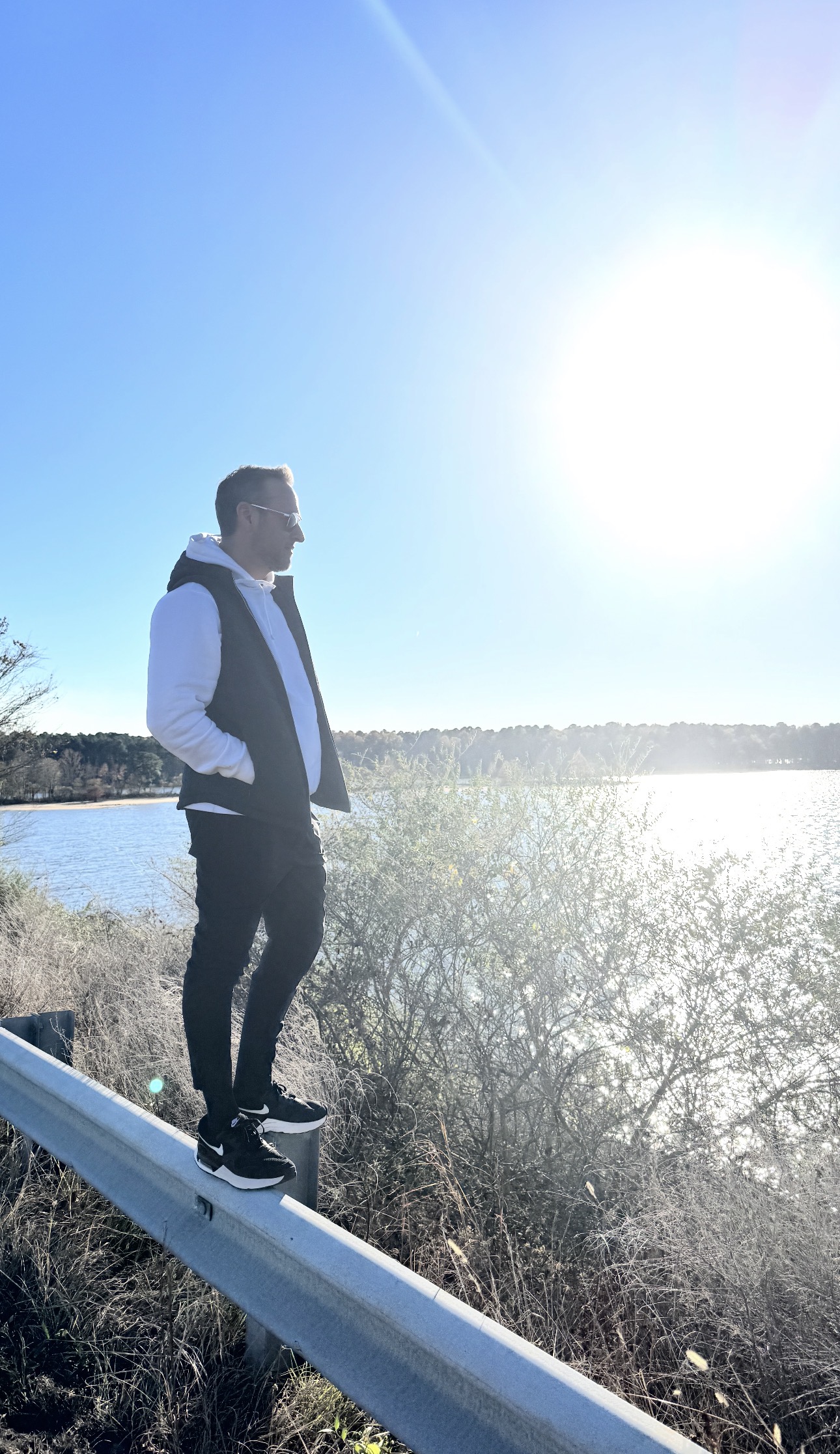
Michael Edwin Alessandri
Founder & Inventor @ Fu2ure
Inventor · Engineer · Builder
Founder & Inventor @ Fu2ure
Inventor · Engineer · Builder
I come from a line of engineers. Detroit blood. The kind of people who can't leave anything alone, who need to know how every system works, who see a problem and immediately start tearing it apart to find the solution.
At three, I pressed my ear to the refrigerator to understand its hum. Carved branches into tools. Dismantled radios. Built my first computer from scratch at 11. That curiosity led to IT work, building networks and troubleshooting systems. Then I found my obsession: automotive performance.
By my teens, I was building high-performance engines from the ground up, tuning them with advanced electronics, creating machines that turned heads and broke records. One of my builds, a turbocharged Toyota Starlet, was showcased at the largest automotive trade show in the world and later immortalized in Forza Motorsport. Shop floor to global stage to digital legend.
I ran a specialty ECU calibration practice that shattered power records. At Chrysler HQ, I worked systems engineering on flagship powertrains — SRT Hellcat, Viper, Pentastar V6 — and helped develop the bill of materials process that saved the Alfa Romeo Giulia powertrain. Sent to Italy. Came back successful.
Before all of that, I enlisted in the U.S. Army. Trained soldiers for combat deployment at Fort Irwin's National Training Center in the Mojave Desert. Led teams under extreme conditions. Taught precision, discipline, execution under pressure.
Different missions. Same result: I lead teams that deliver.
Everywhere I succeeded, I saw the wreckage we were leaving behind. Motor oil pooling in shop drains. Barrels of toxic fluid heading downstream. Fuel spills contaminating water in the Mojave. And then, at Chrysler, the EV reality check.
Electric vehicles felt like the answer at first. The rush without the tailpipe guilt. Then I dug into the supply chain. Lithium mines draining aquifers in Argentina. Cobalt operations poisoning wells in Congo. Graphite refineries contaminating villages in China. Children breathing dust. Families losing their water so we could have "clean" cars.
We weren't solving the problem. We were just moving the destruction somewhere else, to communities who would never own the vehicles we were building.
If we keep building this way, there won't be a future worth engineering for.
I'm not here to lecture the automotive industry or tell people to give up what they love. I'm here to prove we can have innovation, speed, power, AND a planet worth living on.
I started paying attention differently. Not to what was being built, but to what was being overlooked. Millions of tons of agricultural biomass burned in fields every year or buried in landfills. Farmers treated it as a burden.
But I saw carbon. Structure. Potential.
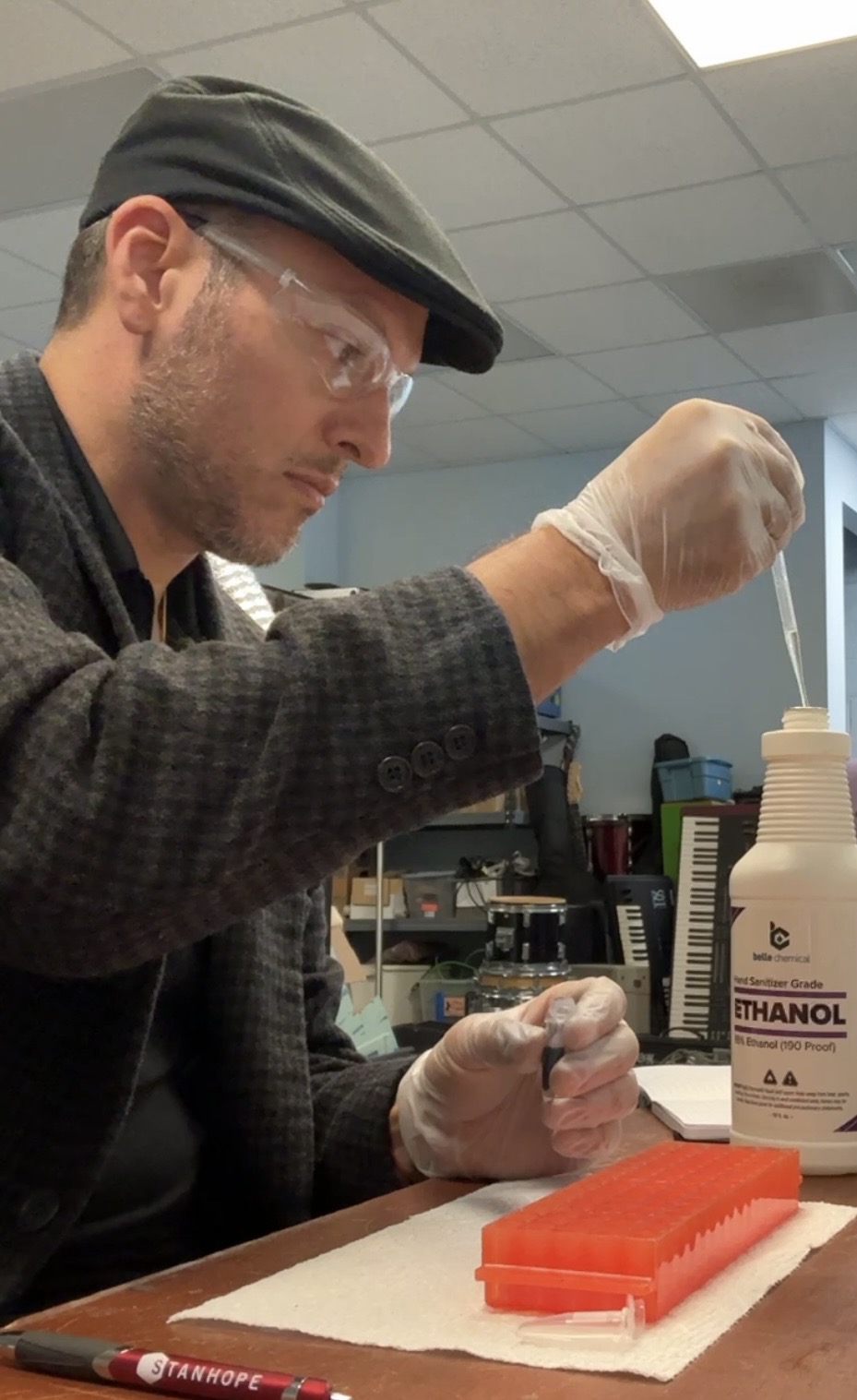
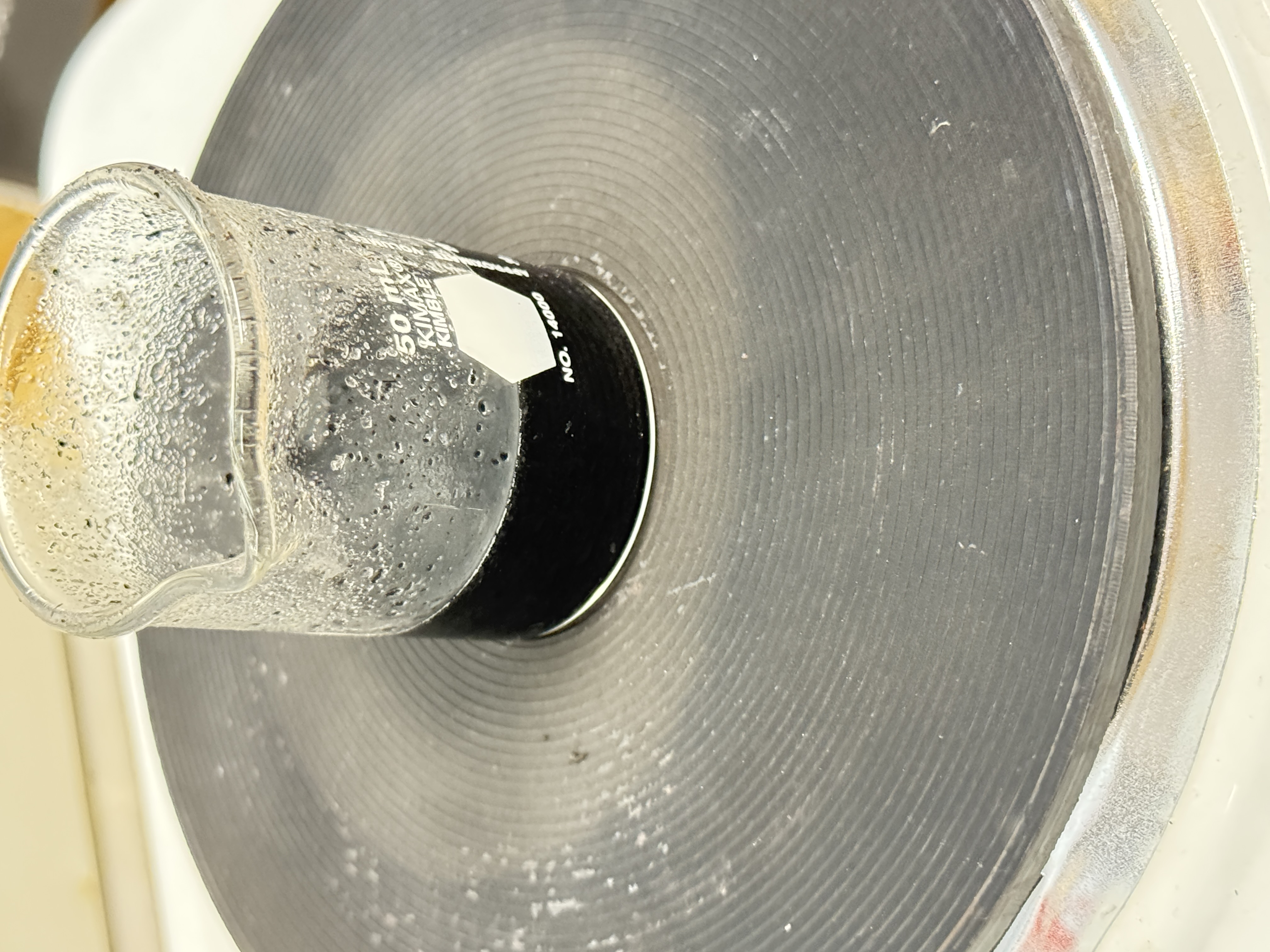
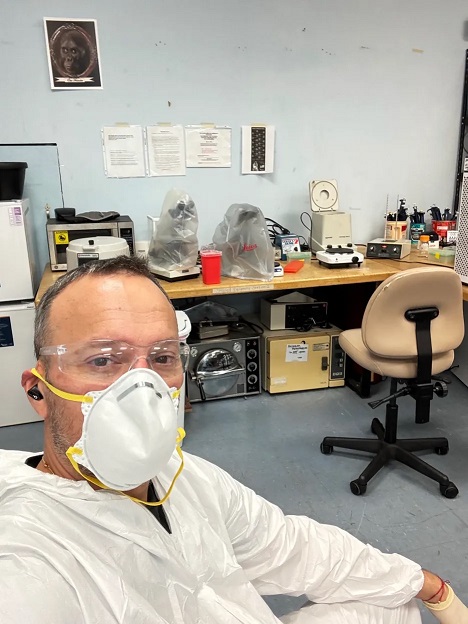
I set up a lab and started experimenting. Relentlessly. Obsessively. Using sophisticated characterization equipment — SEM, TEM, BET surface analysis, Raman spectroscopy — I developed Fu2ure: my independent research project transforming agricultural abundance into ultra-premium carbon materials.
"I believe we're called to be stewards, not extractors. To work with what God has provided, not tear it apart for profit. Fu2ure is my answer to that calling — technology as worship, engineering as service to something greater than ourselves."
Every skill I've acquired — military leadership, IT systems thinking, automotive fabrication, ECU calibration, powertrain engineering — has shaped me specifically for this work. I'm not here to disrupt. I'm here to integrate. To show there's a better way to build the things we love.
Hands-on materials science. Direct laboratory work. Iterative process optimization.
Whether you're a researcher, a supporter, or someone aligned with the mission, there's a place for you here.
Get in Touch LinkedIn Profile